
How and When to Start with Barefoot Shoes – A Practical Guide for Beginners
Have you heard about barefoot shoes and are considering trying them for yourself or your children? We can assure you that you’re thinking in the right direction. You may just be missing a clear overview of how to get started.
Twelve years ago, we were in your place, searching for advice on how to begin. Back then, there wasn’t much information available, so we paved the way ourselves and became experts in healthy footwear. Because we remember that initial uncertainty, we’ve prepared a summary of all the essential information in this practical guide.
Your Barefoot Beginnings Guide
- Why are barefoot shoes popular?
- What makes barefoot shoes stand out?
- Concerns and myths about barefoot shoes
- Are barefoot shoes right for you (or your child)?
- How to start with barefoot shoes – step by step
- How to choose your first pair of barefoot shoes
- The most common beginner mistakes
- Barefoot shoes as a journey
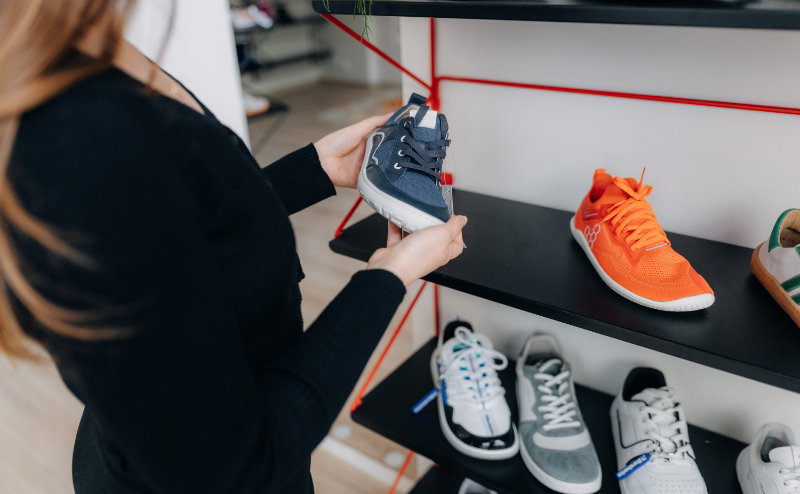
Why Are Barefoot Shoes Popular?
Doctors, movement specialists, influencers, mothers in online forums, and maybe even your friends are enthusiastically talking about barefoot shoes. Why? Because people are increasingly interested in their health and are trying to improve it in all areas. They realize that the body is interconnected, and many musculoskeletal problems actually originate in the feet.
In reality, this isn’t a modern trend but a return to natural movement. Humans walked barefoot from the very beginning - only the past few centuries, driven by fashion, brought change. Indigenous tribes maintained their independence and inspired the creation of footwear that respects the needs of the human foot.
Modern barefoot shoes may have started as handmade sandals for a niche audience, but today the selection of models has expanded so much that they are a common choice for everyday wear. In the city, in nature, at work, or at school, you no longer have to change your lifestyle to walk healthily.
What Makes Barefoot Shoes Stand Out?
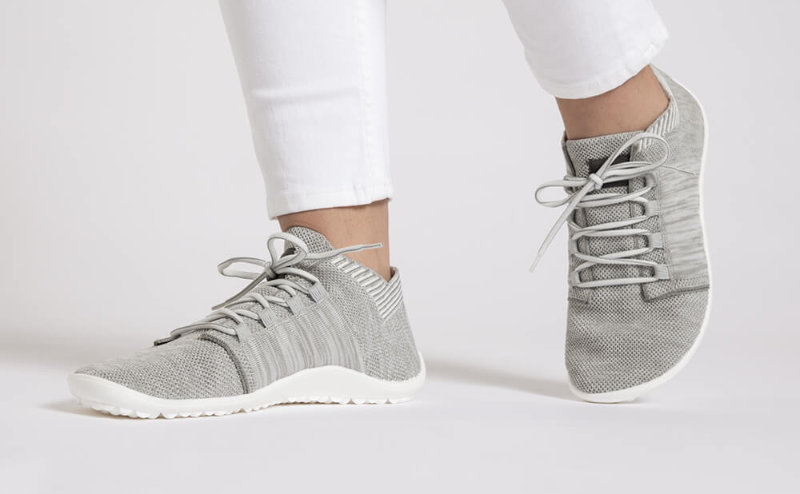
At first glance, barefoot shoes may not look very different from regular footwear. However, they are designed so that your foot can function as naturally as possible. Unlike conventional shoes, they have:
- a wider toe box that gives your toes space to move naturally
- a flat sole so your body weight is distributed evenly
- a thinner, more flexible sole that allows your foot to better respond to uneven surfaces
- a lighter weight so you barely feel them on your feet.
Thanks to these features, your feet may feel surprisingly comfortable in barefoot shoes from the very first wear. Take that as a good sign - you’ve taken your first step in the right direction.
Concerns and Myths About Barefoot Shoes
There are concerns about wearing barefoot shoes. We don’t dismiss them - we understand they often stem from fear of something new and unfamiliar. Instead, we offer facts supported by expert opinions and our many years of experience.
- Will it hurt? Walking in barefoot shoes feels more like a foot massage than stepping on nails. The sole provides enough protection, but if you rush and stomp heavily on your heels, it won’t feel pleasant.
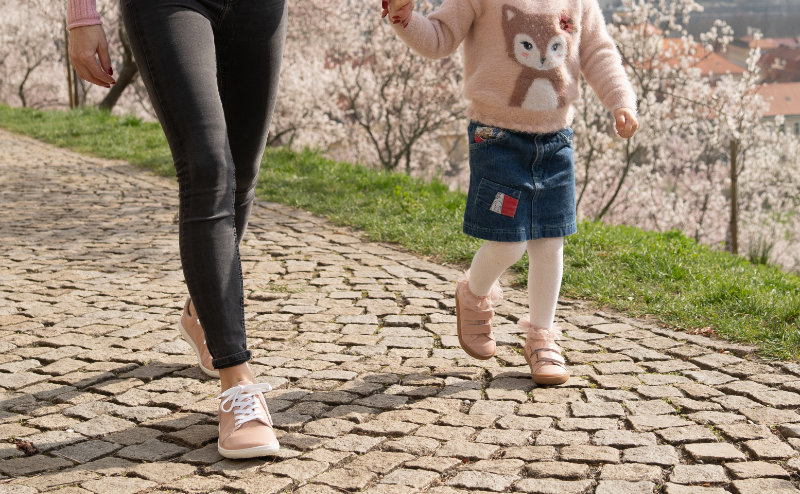
- Are barefoot shoes suitable for children? For most children, definitely yes. Up to around age six, their skeletal system is still developing, so they need to establish natural movement patterns. Whenever the environment allows, let them run completely barefoot; for the rest of the time, barefoot shoes are ideal.
- What about arch support? Do you want to train strong feet or support them with a crutch for life? Arch support is helpful only for those with serious medical conditions and a doctor’s recommendation. Even then, a shaped insole is better placed inside barefoot shoes than conventional footwear.
- Are barefoot shoes for everyone? Almost. There are certain diagnoses where they may not be suitable, so if in doubt, consult a doctor. Don’t treat barefoot shoes as a dogma, but as a path you can gradually explore at your own pace.
Are Barefoot Shoes Right for You (or Your Child)?
There is no single correct approach for everyone. Listen to your own needs and let your body give you feedback.
In general, it’s beneficial to establish healthy movement habits in children from the start rather than correcting mistakes later. For adults, it’s more challenging because years of wearing conventional footwear have already left their mark. Still, switching to barefoot shoes sooner rather than later is worthwhile.
You can start anytime, but any change, even a positive one, requires time to adapt. It’s similar to healthy eating: some people adjust easily, while others struggle to leave old habits behind. Respect your body’s signals, adjust your pace, and if complications arise, consult a professional.
When Should You Start Wearing Barefoot Shoes?
Ideally, from your child’s very first shoes. The earlier they start, the more naturally they adapt. However, until a child walks most of their waking hours, they don’t need shoes at all. Let toddlers stand barefoot whenever possible - socks can cause slipping as their feet search for stable support.
Encourage barefoot walking even later, including in nature, where uneven terrain naturally trains the foot arch. If your home floors are cold, try soft leather slippers or thicker socks instead of rigid house shoes.
Alongside losing baby teeth, children’s bone alignment stabilizes during this period. Even if you missed the first steps, preschool age is still a great opportunity to positively influence movement patterns. Once cartilage hardens into bone, structural changes become much harder to correct.
But don’t give up on older children - or yourself. You can switch to barefoot shoes at any age and prevent future complications. The same applies to adults and seniors. The earlier, the better.
How to Start with Barefoot Shoes – Step by Step
If you prefer not to dive in headfirst, transition gradually:
- Practice mindful walking at home - focus on rolling your foot properly and actively engaging your toes
- Take your first walks in nature - softer terrain reduces impact
- Start with shorter distances - choose easy terrains and gradually increase wearing time
- Listen to your body - slow down if you feel discomfort or fatigue
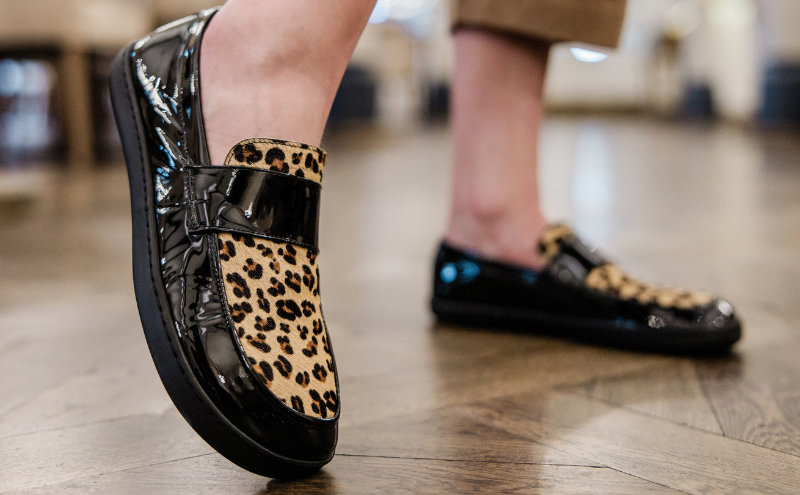
- Choose shoes you genuinely like - if you plan to wear them daily, style matters too and there are so many stylish models available
How to Choose Your First Pair
Looking for your first pair but unsure where to start? Here are some tips:
- Transitional shoes – These partially meet barefoot criteria. They often keep a wide toe box and zero-drop sole but have a thicker sole. Popular brands include sneakers from Anatomic and running shoes by Altra.
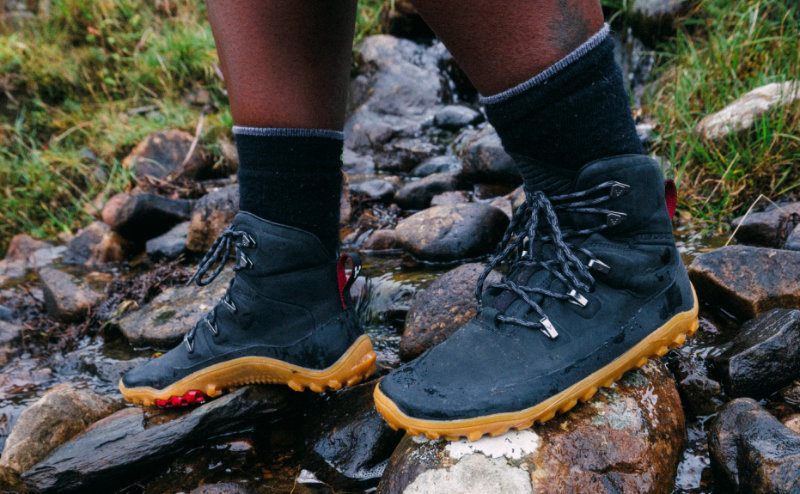
- Outdoor shoes – Designed for hiking, with more durable materials and grippier tread.
- Winter shoes – Insulated models cushion your step and often have a slightly thicker sole to protect against cold.
The Right Shoe Size Is Essential
We’ve written a separate article about choosing the perfect pair of shoes, but here are three key reasons why it matters:
- Barefoot shoes respect the natural shape of your foot, so measure it carefully and compare with internal shoe dimensions.
- Toes need enough space (both length and width) to function properly. Shoes that are “just right” in size may limit comfort and function.
- Children’s feet grow quickly. Besides the usual extra room, allow about 5 mm for growth so you’re not immediately buying the next size.
The Most Common Beginner Mistakes
We learn from mistakes, but we’ve listed the most common beginner errors to help you avoid unnecessary complications:
- Transitioning too quickly - rushing may discourage you at the first obstacle.
- Choosing the wrong shoes - even the best shoe cannot function well if its size or purpose doesn’t match real needs. If unsure, consult our customer support first.
- Unrealistic expectations - just like an electric toothbrush, barefoot shoes won’t change your life overnight, but long-term use can bring results.
- Ignoring warning signals - if you experience discomfort, pause, identify the cause, and consult a professional if necessary. Mild fatigue after longer walks in barefoot shoes is normal.
Barefoot Shoes as a Journey
Barefoot shoes are like healthy eating. If you truly care about your body, you may remain loyal to this path for life. On the other hand, no one requires it of you - you decide how to live your life, so adjust everything according to your own needs and possibilities.
If you’re still unsure, that’s perfectly fine. Barefoot beginnings are not about perfection but about gradually discovering what suits your body. Buying your first pair does not mean signing a contract to replace your entire shoe closet. You’re simply testing whether this path makes sense for you. Every healthy step counts. Even if you wear barefoot shoes only occasionally for relaxation, it’s still better than nothing.
It may help to know that you’re not alone on this journey. Ask others, share your impressions. In our country alone, hundreds of thousands of people have tried barefoot shoes and there could be millions if we collectively make healthy footwear the norm. Will you join the global barefoot family?
Some may consider barefoot shoes expensive, but we believe that investing in health today pays off in the future; that it’s better to prevent problems early than solve them later; and that it’s never too late to start building good habits at any age. Whether you’re looking for barefoot shoes for yourself or your children, we’ll gladly help you choose a pair so that together, without stress, we can find the right fit for you.